
Self-managing a rental property in Queensland vs using a property manager.
You can legally manage your own rental in Queensland, but you take on every obligation a licensed property manager carries: the right RTA forms and notice periods, bond lodgement, smoke alarm and minimum housing standard compliance, rent increase limits, entry rules, and disputes through the RTA and QCAT. Self-managing suits owners with time, a property close by and a settled tenant. For most others, a property manager pays for itself through faster leasing, fewer costly mistakes and a fee that is generally tax deductible.

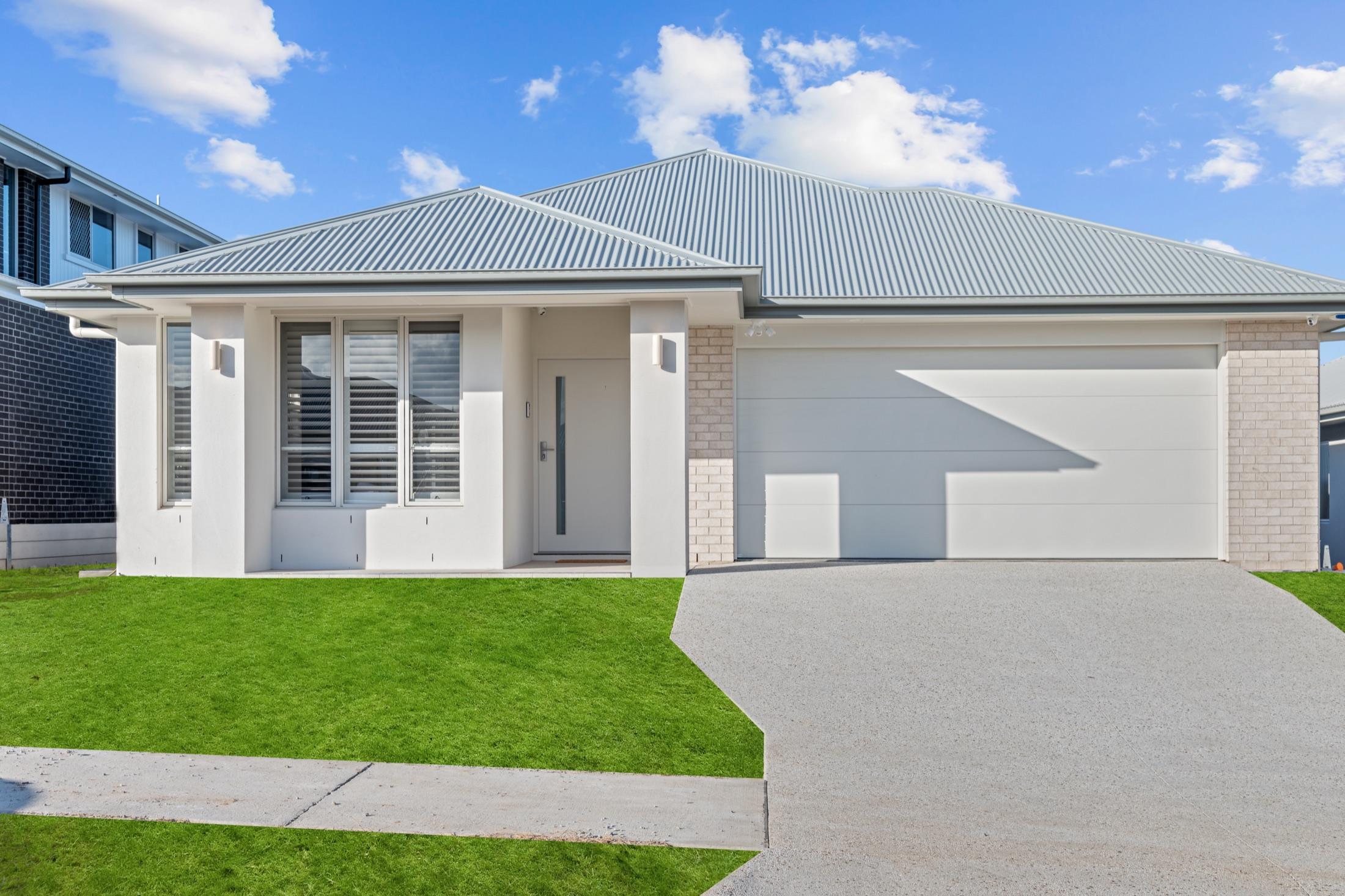
Can you manage your own rental property in Queensland?
Yes. You don't need a licence to manage a property you own, but you must comply with the Residential Tenancies and Rooming Accommodation Act 2008 in full.
What a self-managing landlord must do in Queensland
This is the core legal workload. Each item is something a property manager would otherwise handle.
| Obligation | The rule | Source |
|---|---|---|
| Rental applications | Since 1 May 2025, use an application form that complies with the RTA's Rental application (Form 22), offer at least two ways to apply, and collect only permitted information | RTA |
| Advertising | No rent bidding: you can't invite or accept offers above the advertised rent (since 6 June 2024) | Queensland Government |
| Bond | Maximum four weeks' rent (since 30 September 2024), lodged with the RTA within 10 days of receiving it | RTA |
| Smoke alarms | Compliant interconnected photoelectric alarms, tested and cleaned within 30 days before every lease and renewal | Queensland Fire Department |
| Entry | Routine inspections: at least 7 days' notice on an Entry notice (Form 9), and no more than once every 3 months unless the tenant agrees. Most other entry, such as repairs: at least 48 hours | RTA |
| Rent increases | Once every 12 months, attached to the property, with at least two months' written notice on a periodic agreement | RTA |
| Ending a tenancy | Only on an approved ground, using a Notice to leave (Form 12) with the correct notice period | RTA |
| Disputes | RTA dispute resolution first, then QCAT | RTA |
Letting a unit adds the building's rules on top: the tenant must get the by-laws with the lease, and the body corporate must be told in writing about any lease of six months or more. Our guide to letting a unit in a body corporate building covers both, along with who fixes what.
Related guide: making a bond claim as a self-managing landlord
Notice periods for ending a tenancy
Since 1 October 2022, Queensland landlords can no longer end a tenancy without grounds (RTA). These are the main grounds and minimum notice periods for a general tenancy:
| Ground on the Notice to leave (Form 12) | Minimum notice |
|---|---|
| End of a fixed term agreement | 2 months |
| Unremedied breach: rent arrears | 7 days |
| Unremedied breach: other breaches | 14 days |
| Sale contract | 2 months |
| Owner occupation | 2 months |
| Significant repairs or renovations | 2 months |
| Planned demolition or redevelopment | 2 months |
| Change of use of the property | 2 months |
Source: RTA, Notice to leave (Form 12).
- Sale, owner occupation, repairs, demolition and change of use can't be used to end a fixed term agreement early. The tenancy ends on the agreement's end date or the end of the notice period, whichever is later.
- A notice for the end of a fixed term can be given up to one day before the term ends, but it must still allow at least two months.
- The breach grounds only become available after a Notice to remedy breach (Form 11) has been served and has expired without the breach being fixed. Getting that sequence wrong can send a self-managing landlord back to square one.
Related guide: the full rent arrears process
The real cost of self-managing
The fee you save is visible. The costs you take on are not.
| Cost | Self-managing | With a property manager |
|---|---|---|
| Management fee | None | A percentage of rent collected, plus letting and other fees set out in the Form 6 |
| Tax treatment of fees | Not applicable | Property agent fees and commissions are generally deductible in the year you pay them (ATO) |
| Vacancy between tenants | Depends on your marketing, pricing and availability for viewings | Professional photos, portal listings and applicant handling are part of the letting service |
| Tenant screening | Whatever checks you arrange and interpret yourself | Tenancy database checks such as TICA or NTD on every application |
| Rent pricing | Your own research | Comparable-rent analysis at each renewal |
| Compliance risk | Yours alone | The agency's systems, with your oversight |
| After-hours emergencies | Your phone | The agency's emergency process |
| Your time | Every call, quote, inspection and notice | Approvals and statements |
A worked example, for a property renting at $600 a week:
- each week of vacancy costs $600 in lost rent;
- leasing two weeks faster is worth $1,200;
- a rent review that adds $20 a week is worth $1,040 a year.
Either can cover a large share of a year's management fees. Our fees page shows how our fees add up over a year, and our Highgate Hill case study looks at a self-managed property we took over.
When self-managing makes sense, and when it doesn't
Self-managing can work if:
- you live close to the property and can attend repairs and inspections;
- you have a long-term tenant who pays on time;
- you keep up with RTA changes and use the current forms;
- you're comfortable having direct, sometimes difficult conversations about arrears and breaches.
A property manager usually pays for itself if:
- you're an accidental landlord, or you've moved interstate or overseas;
- the property is between tenants, or the tenant is about to change;
- you have more than one property, or a property in a high-volume rental area such as the Logan corridor, where pricing and screening decide how the year goes;
- you've had an arrears, damage or dispute problem before;
- you haven't reviewed the rent or checked compliance in over a year.
If you appoint a property manager, what should you check?
In Queensland you appoint a property agent with the Residential agent appointment or reappointment (Form 6), and the agent must give you the completed form before providing any service (Queensland Government). It sets out the services, fees and charges. A continuing appointment has no end date and can be ended by either side with at least 30 days' written notice, or less if you both agree.
Before you sign, check:
- the full annual cost at your rent, not just the headline percentage;
- how many routine inspections are included and what the reports contain;
- who your day-to-day contact will be;
- how quickly owner enquiries are answered;
- how maintenance is approved, and whether trades are marked up.
Our guide to choosing a property manager covers the questions to ask in an interview.
What Toohey PM does for owners moving from self-management
Toohey PM manages residential rentals only, with no sales arm, across Brisbane, Logan, Ipswich, the Gold Coast, the Sunshine Coast and Toowoomba. When an owner moves from self-management, we:
- review the existing lease, the bond lodgement and the date of the last rent increase;
- check smoke alarm compliance and the minimum housing standards;
- complete a 360-degree interactive inspection to set a visual baseline;
- introduce ourselves to the tenant and update their rent payment details;
- give you a rent review with comparable evidence.
General information for Queensland landlords, current at the last reviewed date above. It is not legal, tax or financial advice; check the cited sources or speak to the Residential Tenancies Authority (1300 366 311) or a lawyer for your situation.
Common questions.
Can I manage my own rental property in Queensland?
Yes. Owners don't need a licence to manage their own property, but they must comply with the Residential Tenancies and Rooming Accommodation Act 2008, including RTA forms, bond lodgement and notice periods.
Is it worth paying a property manager in Queensland?
For many landlords, yes. Faster leasing, accurate rent reviews and avoiding invalid notices or compliance breaches often outweigh the fee, and the fee is generally tax deductible.
What does a landlord have to do in Queensland if they self-manage?
Lodge the bond with the RTA, provide a compliant property, test and clean smoke alarms before each lease, give correct entry notices, follow the 12-month rent increase rule and use the approved forms to end a tenancy.
How much notice does a landlord need to give a tenant to leave in Queensland?
It depends on the ground: two months for the end of a fixed term, a sale or owner occupation; 7 days for unremedied rent arrears; and 14 days for other unremedied breaches, using a Notice to leave (Form 12).
Can a Queensland landlord end a tenancy without a reason?
No. Since 1 October 2022, landlords must use an approved ground. The end of a fixed term agreement is still an approved ground.
Are property management fees tax deductible in Australia?
Generally, yes. The ATO treats property agent fees and commissions as deductible in the year you pay them, for a property that is rented or genuinely available for rent. Check with your accountant.
How do I hand my self-managed property to a property manager?
Sign a Form 6 appointment with the agency and give them the lease, bond details, entry condition report, keys and the date of the last rent increase. The agency then introduces itself to the tenant and takes over.
Keep reading
Ready to stop being the property manager?
Request a free rental appraisal and we'll tell you what your property should be earning and what management would cost at your rent. If you're with another agent and unhappy, see switching property managers.